Recovery and community justice: helping to create safer communities
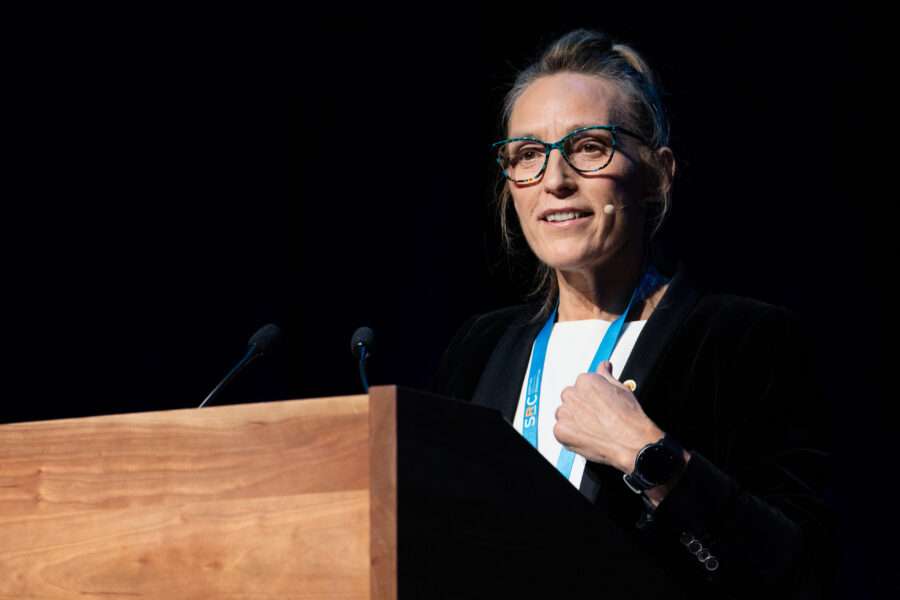
Tracey McFall, CEO of the Scottish Recovery Consortium, explains how seeing examples of desistance and recovery from drug and alcohol harm can give hope to people in the justice system and reinforce the belief that positive change is achievable.
NOTE: The views expressed are of the author and do not necessarily represent the views of Community Justice Scotland and other organisations that may be mentioned.
September marks Recovery Month which is an opportunity to celebrate the achievements of individuals, families and communities affected by alcohol and drugs and to recognise that recovery is possible for everyone. It is a time to challenge stigma, raise awareness and showcase the positive contribution that people in recovery make to Scotland every day.
Across Scotland and beyond, Recovery Month highlights stories of resilience, determination and transformation. These stories demonstrate that people can and do overcome significant adversity when the right support, opportunities and connections are available. For those involved in the justice system, seeing visible examples of recovery and desistance can inspire hope and reinforce the belief that positive change is achievable.
Recovery Month also provides an opportunity for communities, services and decision-makers to reflect on the importance of sustaining recovery beyond treatment. Recovery thrives where people have access to supportive relationships, safe housing, education, employment opportunities and welcoming communities. By celebrating recovery, we recognise not only individual achievements but also the collective effort required to create environments where people can flourish.
This message is particularly important for community justice.
When we talk about community justice, we often focus on reducing offending, reducing reoffending and creating safer communities. These are important ambitions, but if we are serious about achieving them, we must also talk about recovery.
For many people involved in the justice system, offending does not happen in isolation. It is often linked to experiences of trauma, poverty, inequality, homelessness, poor mental health, adverse childhood experiences, family breakdown, and alcohol and drug harm. Unless we address these underlying issues, we risk focusing on symptoms rather than causes.
Recovery provides an opportunity to do things differently.
Too often, recovery is viewed solely through the lens of treatment or abstinence. Whilst treatment is an important part of the journey for many people, recovery is much broader. Recovery is about rebuilding lives. It is about restoring hope, strengthening relationships, finding purpose, improving health and wellbeing, and becoming connected to communities.
At its heart, recovery is about creating the conditions where people can live meaningful and fulfilling lives.
The goals of recovery and community justice are closely aligned. Both seek to support positive change, reduce harm, strengthen communities and create opportunities for people to realise their potential. Both recognise that people are more than the mistakes they have made or the challenges they have experienced.
We know that sustainable change happens when people have access not only to treatment and support services, but also to safe housing, education, employment opportunities, family support, social connections and a sense of belonging. These factors are critical to sustaining recovery and are equally important in supporting people to move away from offending.
One of the most powerful aspects of recovery is that it provides hope.
For individuals who may have spent years being defined by drug or alcohol use, convictions or other labels, recovery offers a different narrative.
It demonstrates that change is possible, challenges stigma and creates opportunities for people to see themselves, and be seen by others, in a different way.
Across Scotland, recovery communities and lived experience recovery organisations are showing what is possible when people are given the right support and opportunities. Every day, people with lived and living experience are volunteering, mentoring others, supporting their families, contributing to their communities and helping others navigate their own recovery journeys.
These are not just positive outcomes for individuals. They are positive outcomes for communities.
People in recovery frequently become community assets. They contribute skills, knowledge, leadership and lived experience that help strengthen services, communities and systems. Many become visible examples that recovery and desistance are possible, inspiring hope in others facing similar challenges.
This is why recovery should not be seen as an optional extra within community justice. It is a fundamental part of creating safer, healthier and more inclusive communities.
Lived and living experience must also be central to how we design and deliver community justice approaches. People who have navigated both recovery and desistance journeys bring valuable insight into what works, what creates barriers and what supports lasting change. Their expertise should be recognised, valued and embedded within policy development, service design and decision-making.
There is also an important human rights dimension to this work. Every person should have access to the opportunities, support and resources needed to recover and thrive. A human rights-based approach recognises dignity, participation, inclusion and fairness as fundamental principles. It challenges stigma and discrimination and supports people to become active participants in their communities.
Community justice is not simply about managing risk. It is about creating the conditions that allow people to build better futures.
When people are supported in their recovery, families become stronger, communities become safer, and society benefits. Recovery creates connection, purpose and belonging. It helps people move from surviving to thriving and from being viewed as part of the problem to becoming part of the solution.
Over the years, I have had the privilege of meeting hundreds of people whose lives have been transformed through recovery. I have seen people move from isolation to connection, from crisis to stability, and from being written off to becoming valued members of their communities. Today, many are volunteers, peer supporters, community leaders and role models, demonstrating every day that recovery is possible and that people can make a meaningful contribution to society when given the opportunity.
As we celebrate Recovery Month, we should recognise recovery is not simply a health outcome, it’s one of the most powerful mechanisms for creating safer communities, reducing reoffending and supporting lasting social change.
If we want to create lasting change, reduce inequalities and build safer communities, recovery must be recognised not as a separate agenda, but as a critical foundation of community justice.
Recovery changes lives. In doing so, it changes communities too.