From an Inner Prison to a Life of Purpose: Recovery from Addiction
September is Recovery Month in Scotland – focusing on increasing awareness, challenging stigma and celebrating the success of those in recovery from all addictive behaviours.
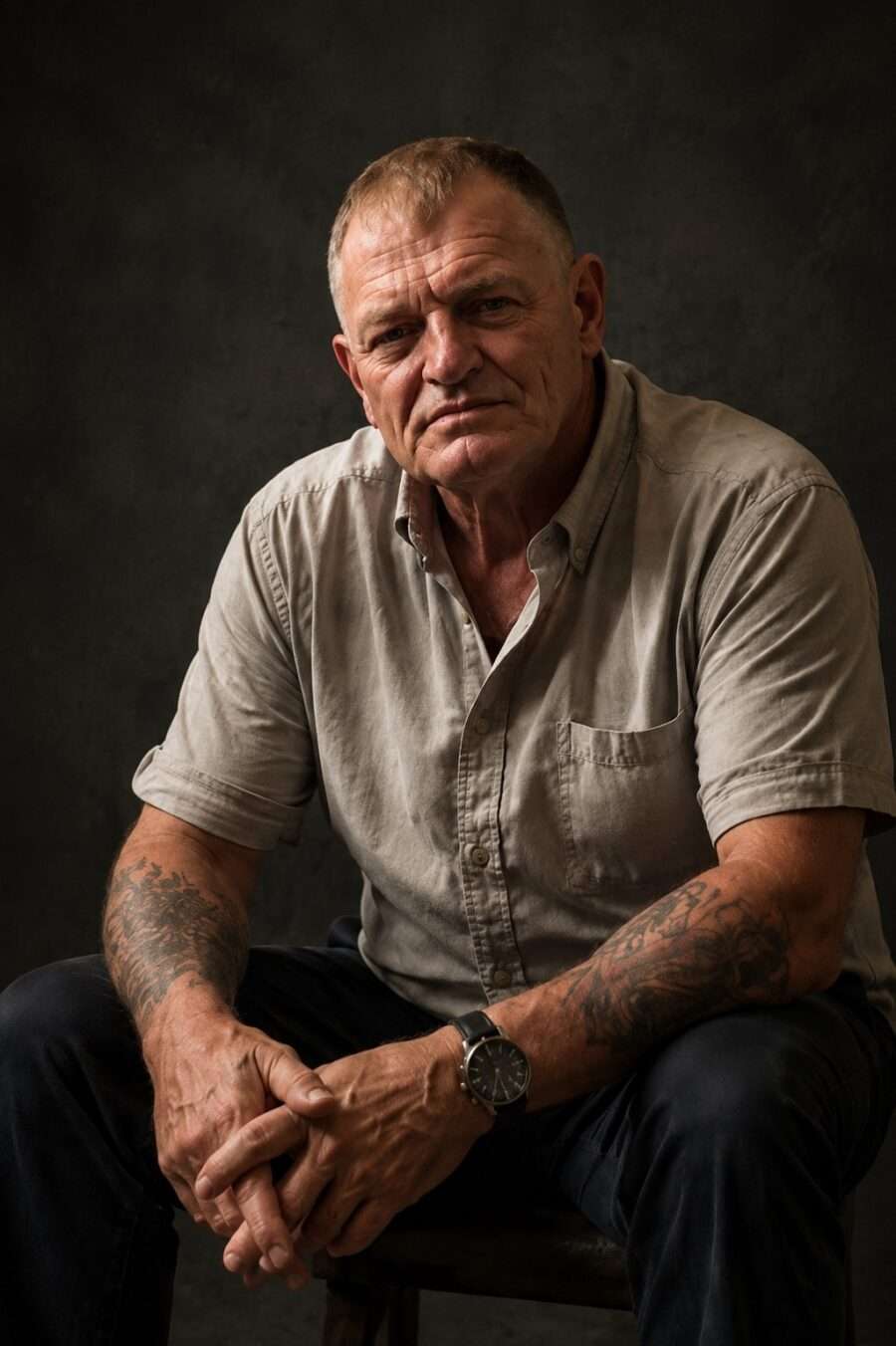
Billy McKay from Motherwell who is author of Who Turned the Light On, reflects on how a dysfunctional childhood, trauma and addiction can contribute to criminal behaviour – and how he transformed his life.
NOTE: The views expressed are of the author and do not necessarily represent the views of Community Justice Scotland and other organisations that may be mentioned.
When we look at someone involved in addiction or crime, we often judge the behaviour in front of us without asking what happened before it.
My own difficulties did not begin with drugs, alcohol or criminal activity. They began much earlier, in childhood, through experiences I did not have the emotional understanding to process.
A child does not see life as an adult does. When something painful happens, the child creates their own meaning from it. When my mother placed me in residential care, her intention was to protect me. However, the wounded young boy within me experienced it as abandonment.
That perception became part of the story I carried: I am unwanted. I am on my own. I must protect myself.
Even when a child’s understanding is inaccurate, the emotions are real. Those beliefs can influence how they relate to parents, teachers, authority and other children. Anger may be fear wearing armour. Rebellion may be an attempt to regain control. Aggression can become protection against ever feeling vulnerable again.
Behind the behaviour that society condemns, there is often a wounded person whose story has never been understood.
This does not excuse harmful or criminal behaviour. We remain responsible for our actions. However, if we want to prevent offending and support lasting change, we must understand how the behaviour developed.
As I grew older, the frightened boy became hidden behind a tougher identity. I found belonging in street culture and learned attitudes that made criminality appear normal. What began as survival and the need for acceptance gradually developed into addiction, offending and imprisonment.
Drugs initially appeared to provide relief. For a little while, they took me away from me. They quietened the uncomfortable feelings I could not explain. But the very thing that seemed to offer freedom eventually became another prison.
Addiction also affects far more than the individual. Children and families have to live with unpredictability, fear, secrecy, broken trust and emotional absence. A child raised around addiction may become overly responsible, withdrawn, angry or desperate for approval. Without support, some of those survival patterns can continue into adulthood and pass from one generation to another.
My transformation began through what I can only describe as divine intervention. It was not simply a change in circumstances. Something reached me beneath the noise of addiction, criminal thinking and the identity I had created.
In the present moment, when the mind becomes still, there is an opportunity to hear something deeper. For me, that was the spirit of God awakening my soul and showing me that I was not merely my history, my convictions or the things I had done. Recovery then required action.
The 12-step programme (originally developed by Alcoholics Anonymous) gave me a practical pathway. I learned surrender, honesty and personal responsibility. I examined the resentments, fears and beliefs that had controlled me. I admitted the harm I had caused, made amends where possible and developed a conscious relationship with God through prayer, reflection and service. The recovery programme doesn’t have to be religious though – it’s about finding meaning and purpose in life beyond addiction.
The Steps did not erase my past. They helped me understand it, take responsibility for it and stop allowing it to control my future.
Over time, the thinking that had taken me into addiction and crime began to change. Instead of constantly reacting from fear, pride or woundedness, I learned to pause and respond from a different place.
For me, spiritual transformation means developing a daily relationship with the spirit within—not merely speaking about faith, but allowing it to appear through compassion, honesty, forgiveness and service to others.
Today, I return to prisons and recovery communities carrying a message of hope. My past has not been wasted. The experiences that once imprisoned me have become tools that may help another person recognise their own wounds and discover that change is possible.
We must hold people accountable, but we must also leave room for transformation. When we understand the life behind the behaviour, address the underlying pain and help people discover a new identity, recovery can become more than freedom from addiction.
It can become freedom from the inner prison.