What struck me most was not the damage but the recovery – Karyn McCluskey
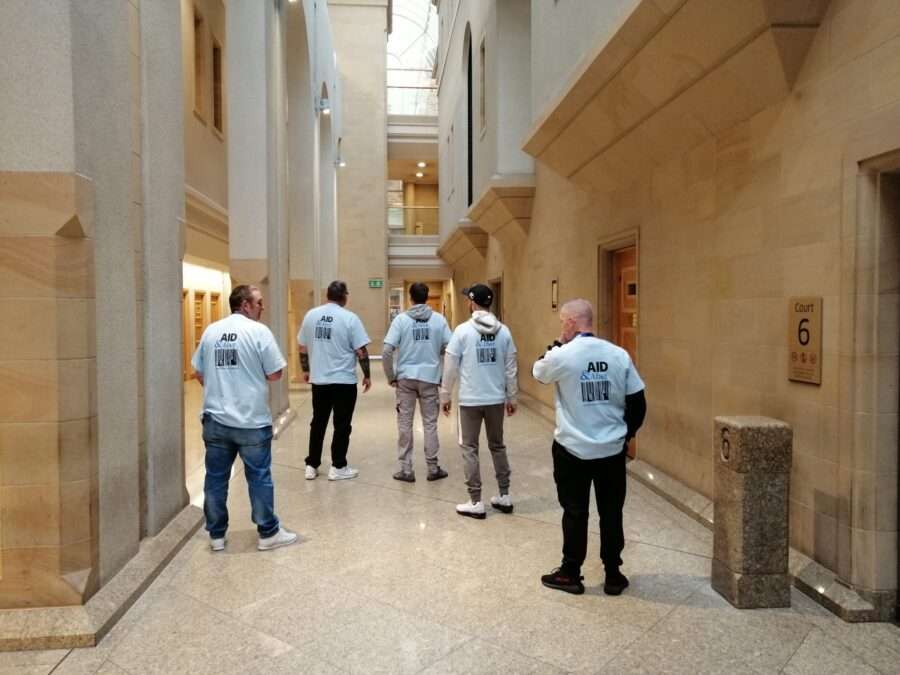
There is something both uplifting and humbling about sitting in a room with more than 200 people who are simply grateful to be alive. “Grateful” was the word I heard again and again. These were not people with vast wealth or Instagram-perfect lives – this was no Silicon Valley. Most of them still face challenges every day. Yet they had overcome addiction, and almost every conversation began with how long they had been sober or clean. It was hard not to be elated at the journeys people had been on.
I met a group of mums, who had either lost a child through substance use or had a son or daughter still using, and my, were they fearsome.
One feisty, phenomenal woman said, “Did you see me on Debate Night?” followed by words to the effect of “I handed them their arse on a plate.” I watched it on catch-up later and indeed she did.
Their command of the facts and evidence would have put many so-called experts to shame. They reminded me of Mothers Against Drugs, founded in Cranhill in Glasgow by a group of mums after the death of Allan Harper, a 13-year-old who died of a heroin overdose. They were trailblazers who let no one off the hook. My takeaway? Never, EVER mess with a mum on a mission. These women fight day-in and day-out so others don’t have to go through what they have.
Not everyone gets the happy ending celebrated at recovery awards. For every person who has overcome a gargantuan struggle and is rebuilding their life, there is a family still living with fear. If you have never experienced addiction in someone you love, count yourself fortunate. However, I know that for too many readers, they will know exactly what it means to dread a late night phone call or wonder whether today is the day someone arrives at your door with “the knock” and devastating news.
When there is so much discord and so much negativity in the world around us, being in a group at these recovery awards was, in many ways, a tonic. True, the journeys many had travelled were etched into their faces. Years of trauma, poverty, illness and loss leave their mark.
Yet what struck me most was not the damage but the recovery, many radiated health, clear-eyed, witty and engaged. Talking about the future, how their lives were different and their hopes for their kids.
There were also those who worked in substance use services, who had come along in support, having walked beside people as they entered recovery and beyond, or had come through services themselves and were now helping others. They understood how fragile recovery could be, and how much difference the right support could make.
We hear a great deal about Scotland’s drug deaths, and rightly so. Every death is a life lost, with loved ones left behind to carry it. But I wish more people could have seen that room, full of men and women who had survived and were rebuilding their lives. We owe it to families still living in fear to make those chances possible for more people. The mums I met will keep fighting for that. The rest of us should too.