The importance of meaningful work – Karyn McCluskey
Whilst the last week in Scotland seems to belie the fact that the rest of the country has been slow cooking in temperatures above 30 degrees, there is no doubt that we are facing huge challenges with wildfires, notably in the Cairngorms and even around Arthur’s Seat.
The evacuation of Nethy Bridge and the damage to the countryside and its wildlife are substantial. Fragile ecosystems may take decades to recover. The complexity faced by the fire service in managing a wildfire over such a huge swathe of the country must be extraordinary. The wider and more expansive the fire, the more people required to manage and contain its spread.
Scotland’s glorious scenery draws tourists from across the world, but the landscape they come to see is increasingly vulnerable to extreme weather. Wait a few months, or in Scotland even a few days, and the story might be torrential rain, flooding and risk to life.
Some flooding is predictable, high tides and water levels have led us to put measures in place to mitigate the impact – other incidents are less so.
As climate change accelerates, the uncomfortable truth is we will need more skilled people to deal with both extremes.
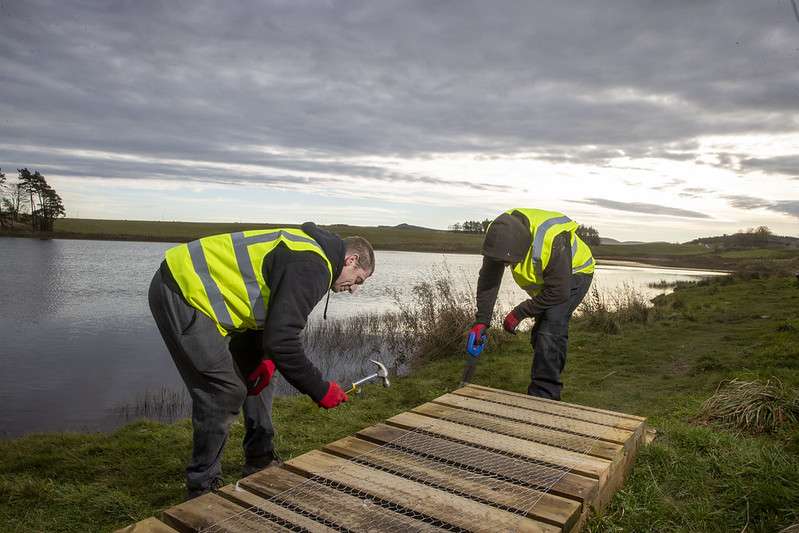
Years ago in the US, I met a fire service chief who told me about his experience involving low-risk prisoners tackling wildfires on the West Coast of America, where fire decimated swathes of land, wildlife, homes and communities. The majority of wildfire prevention happens long before a fire starts: clearing vegetation, maintaining firebreaks, managing woodland and more. These are labour intensive activities that can protect communities, reduce future risks and improve the natural environment. They were looking then, as we are now, at a changing climate, despite the deniers, and working out how to augment a stretched fire service while protecting communities and the environment.
In California, these fire crews have been part of the wildfire response for decades. The Department of Corrections and CAL FIRE select suitable candidates.
People are given training, health and safety support and work alongside trained firefighters, doing much of the preventative work, but also helping to tackle active wildfires. Almost a thousand prisoners took part during the last catastrophic fire. Participation is voluntary.
Many prisoners involved say how purposeful and meaningful the work is: to feel part of something important that can save lives. It gives people training, skills and confidence. Their contribution is visible to the communities whose homes and environment they are protecting.
At first hearing, the idea may feel controversial. We should always have concerns about exploitation and safety. Any programme would need safeguards, fair conditions and meaningful choice.
But we already understand that meaningful activity is one of the foundations of reducing reoffending. We know that every person who leaves a community order or prison with employable skills is less likely to return. Every reduction in reoffending means fewer victims, safer communities and lower costs for the taxpayer. Unfortunately, within justice, these opportunities remain limited.
Sometimes the most effective public policy emerges where separate problems intersect. A smarter approach to wildfire prevention, combined with meaningful rehabilitation opportunities, may be one of those moments. California certainly thought so. Those who were viewed as being part of the problem became part of the solution.