Emergency prison release underlines need for lasting shift to community justice
Updated statement
Community Justice Scotland (CJS) is calling for a sustained shift toward community-based approaches to offending, as Scotland’s prison population reached a record 8,538, (note: Monday 11 May 2026) despite repeated emergency releases.
While emergency early release has provided short-term relief to ease immediate pressures on the prison estate, the latest data demonstrates that these measures have not addressed the underlying challenge. Prison numbers have continued to rise to unprecedented levels—even after hundreds of people have been released early in recent months—highlighting the limits of crisis-driven responses.
Scotland has recently relied on multiple rounds of emergency early release policies. Yet overcrowding persists.
This cycle of short-term interventions makes clear that emergency release cannot deliver the long-term, sustainable change needed to manage the prison population safely and effectively.
The pressures facing the prison system are complex and growing. Increases in long-term sentences, a high number of people held on remand, and rising sentence lengths are all contributing to population growth, alongside the continued use of short custodial sentences. Together, these factors are creating an increasingly unsustainable system that places strain on staff, limits access to rehabilitation, and reduces the effectiveness of custody itself.
Across Scotland on any given day, around 1,100 people are in prison serving sentences of less than 12 months, and within a year around 700 of them will be back in custody. This revolving door illustrates the limited impact of short sentences in reducing reoffending. By contrast, effective community-based interventions can provide supervision, accountability, and the structured support needed to address the underlying causes of offending.
CJS Chief Executive, Karyn McCluskey, said:
“Emergency measures may ease pressure in the short term, but they don’t change the factors driving people into the justice system in the first place.
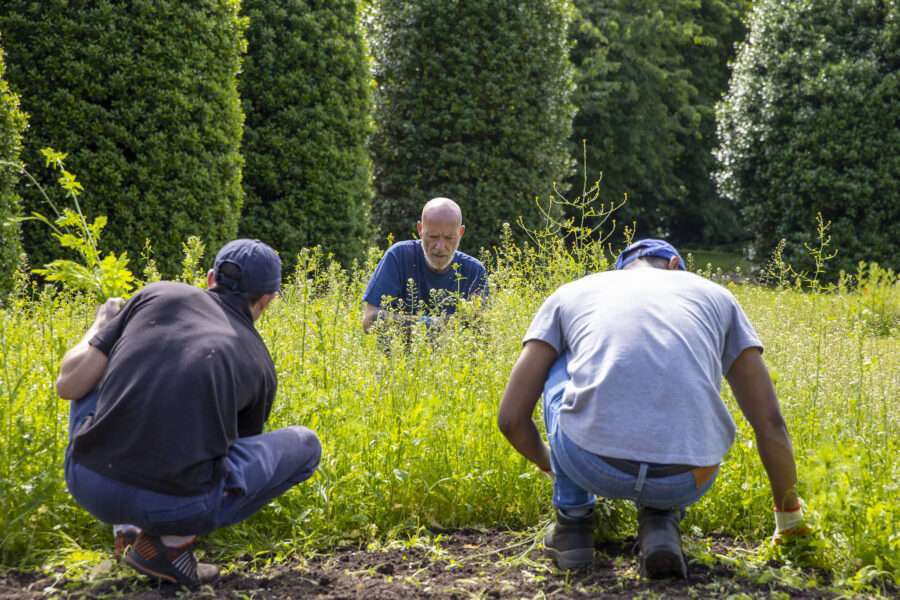
We know many of these factors are deeply entrenched. Drug deaths, homelessness, mental health, poverty and trauma all play a part and show how often the justice system is encountering people in acute crisis. Community sentences are still not well enough understood. They are demanding, structured and focused on change. Alongside unpaid work, they can help prevent further crime, support people towards employment and save the public money.
Countries that have successfully reduced reoffending and brought down prison populations have done so by making a decisive shift towards community justice.
Scotland now faces a clear choice. Emergency measures alone cannot deliver lasting change.
A sustained shift towards community justice, wherever it is safe and appropriate, offers a more effective way to reduce reoffending, improve outcomes and build safer communities across Scotland.”