Violence is not a mystery, although we sometimes act like it is – Karyn McCluskey
An acquaintance who knows the work I have done contacted me last week through WhatsApp. They sent me a photograph of a machete wound their son had received. A young man, a child really. It was deep and serious.
We spoke and they told me about young people and families who had felt abandoned by services; about a group chats where tensions were heightened and drama tips into crisis; about places where violence becomes a currency, and the social structures that should surround some young people have disappeared.
Remove family support. Remove the support a school can offer. Remove the neighbourhood, the youth work, the opportunities, the income that helps families get out of poverty. Remove all this and chaos reigns. Children, you people and families fall through the cracks.
I have spent years in rooms where violence gets discussed – police briefings, government committees, professional meetings. Violence is not a mystery, although we sometimes act like it is.
We commission reports as though the evidence is not sitting there, telling us the same thing it has always told us.
I worked in communities where violence had become so entrenched it was effectively a parallel social order. It has its own hierarchy, its own rules of respect and dishonour. In response to serious assault, even murder, a “no grassing” ethos can keep violence contained inside communities. It leaves cycles unbroken, perpetrators untouchable and victims unsupported.
Violence is a signal. It is a community telling you something has gone profoundly wrong. Every time youth services are cut or family services disappear, we are not saving money. We are transferring the cost to the NHS, to the criminal justice system and to families who fear injury for their loved ones, or more tragically, lose them to violence.
I have written and spoken before about the need to belong, about identity and status. A 17-year-old who has never been told he is worth anything by a parent, school, an employer, a police officer or any other professional he comes into contact with might find in violence a way of being respected, accepted, feared and needed.
If violence is filling a vacuum, we have to fill the vacuum with something else – recognition, purpose and a sense of future.
A reason to matter that does not require violence. Jobs for young people should exercise us, and not only because of GDP and productivity. We know from the evidence that purposeful, meaningful work is key to well-being.
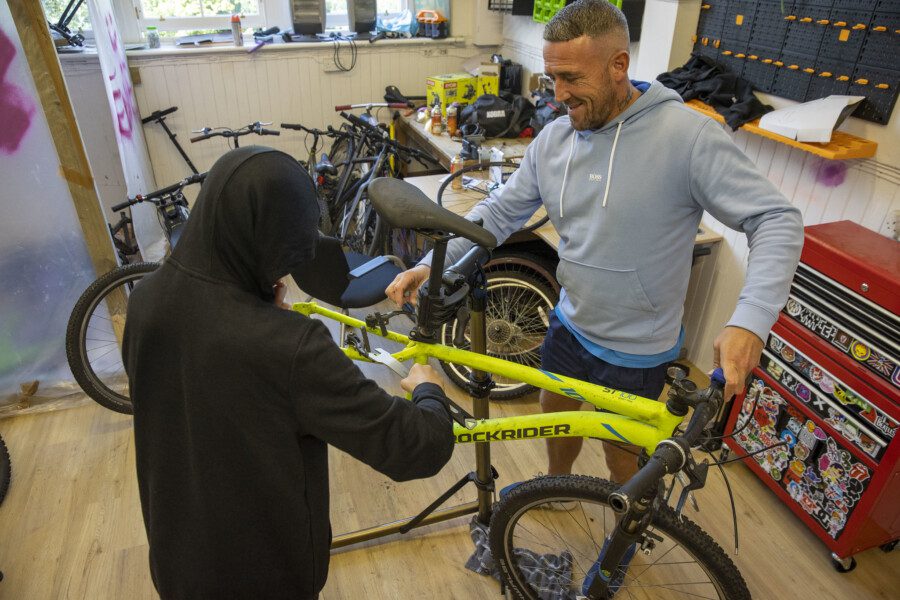
To save lives, to build a better country where we are all safer, we need to talk about prevention. Not dry, banal policy language, but investment in the things that work: family support, keeping young people in education or in something that meets their needs, apprenticeships, mentoring, youth work, and the many other things with shedfuls of evidence behind them.
We have come a long way. Scotland’s young people are impressive, talented and more resilient than they should have to be. It is older people I see far more often in the justice system now. But for some families, progress is not what they feel what a child comes home injured or frightened. They feel the gap between what we know works and we are willing to fund.