If I were in distress or in trouble, there is no one I would rather see – Karyn McCluskey
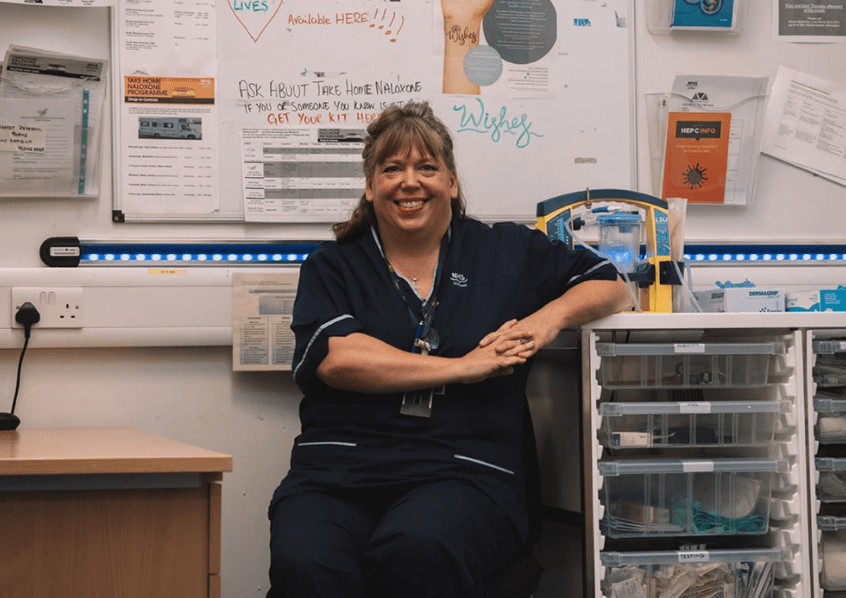
I spent some time with fabulous Charge Nurse Jessica Davidson FRCN QN MBE who works in the custody suites in Edinburgh Sheriff court alongside three community psychiatric nurses. They support and intervene with those people being transferred from police and prison custody and appearing in the court that day.
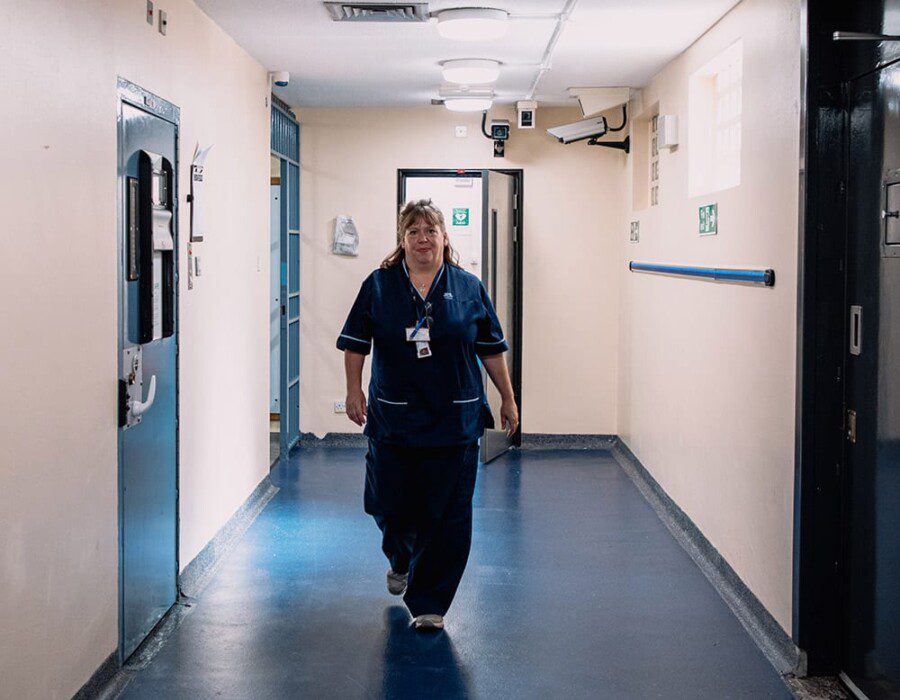
I trained as a nurse, have worked in emergency rooms, yet I know these are nurses who work in the most challenging environment. Not a ward, not a GP surgery, not anywhere with the architecture of care, still they bring clinical compassion into a space meant for containment; secure doors, holding cells, noise, movement.
We can rehearse, almost by rote now, the challenges facing mental health services in Scotland — the waiting times, thresholds, gaps. Police Scotland regularly report a significant proportion of the tens of thousands of incidents they attend each year are related to mental health. I’m not into problem admiration, I prefer solutions – even if they are imperfect.
In the cells of the court are some of the most unwell, most chaotic human beings with addiction, psychosis, untreated mental illness, tangled together and scheduled to appear in court that day. The nurses are faced with a new cohort every morning, who appear on a custody list they receive at 7am. There’s medical detective work to be done, looking at police custody records, cross matching with information on the health system, before triaging those who need to be seen urgently or are causing concern – all done in a noisy, busy court custody suite.
Even the language is complicated. Are those they see accused persons, patients, or clients? The answer shifts depending on perspective, but the nurse must hold all three truths at once.
Trying to speak meaningfully to someone in that environment is difficult enough; carrying out a mental health assessment within a short window with someone who may be floridly unwell is something else entirely.
Yet they do it calmly, professionally, and with remarkable skill. They can assess, prescribe when required, and help to prevent unnecessary imprisonment for the unwell. They can escalate to psychiatric services where inpatient care is necessary or advise the court staff if someone is unfit to proceed. None of this is straightforward or done in conditions that resemble traditional healthcare.
We continue to see people remanded in custody while awaiting mental health assessments, because the demand on psychiatric services is overwhelming. For those individuals, prison is often the worst possible place to be and for prison officers, who are expected to manage complex and acute mental illness, the strain is considerable.
At present, Edinburgh’s custody suite in the Court is the only full-time service of its kind in Scotland. It should not be.
What I saw wasn’t a luxury, nor an optional add-on to the justice system. It was a frontline response to a reality too often neglected: many of those who pass through our courts are unwell, frightened and in crisis and, at times, the line between justice and healthcare is gossamer thin.
I am an unabashed admirer of this work, of the community psychiatric nurses and of Jess, who brings decades of experience in police custody and in transforming healthcare. If I were in distress or in trouble, there is no one I would rather see.