Community Payback Order Summary of Local Authority Annual Reports: 2024-25
We are pleased to present the Community Payback Order Annual Report 2024/25.
This report provides a summary of activity completed by Justice Social Work and the third sector in their delivery of CPO requirements for the period 1 April 2024 to 31 March 2025.
The recommendations within this report aim to support continued innovation, development and positive practice across Scotland
Laid before the Scottish Parliament by Community Justice Scotland under Section 227ZM of the Criminal Procedure (Scotland) Act 1995 SG/2026/31

Foreword
Delivering Community Payback Orders (CPOs) well, matters – not just for the individuals who receive them, but for the victims of crime, for communities across Scotland, and for our wider system of justice. This report sets out how Justice Social Work (JSW) and their partners across other public sector organisations and the third sector have continued to translate that responsibility into meaningful, visible and often transformative work across local areas during the 2024/25 period.
Across Scotland, CPOs are being delivered with growing confidence, creativity and care. This year’s findings show strong evidence of trauma-informed and person-centred practice, improved responsiveness to risk and need, and unpaid work projects that are delivering tangible social, environmental and economic benefits. These achievements are not incidental. They reflect the professionalism and commitment of JSW staff, the strength of multi-agency collaboration and a shared determination to ensure community sentences remain credible and constructive.
At the same time, this report does not shy away from the reality that delivery is increasingly more complex. Many of those subject to CPOs present with multiple and overlapping needs including poverty, trauma, substance misuse, communication challenges and housing instability. JSW cannot and should not be expected to address these challenges alone. Persistent pressures on mental health services, addiction provisions, housing and accredited programmes limit the pace at which progress can be made, and places a real strain on local systems. Workforce capacity and funding uncertainty continue to test local services’ ability to plan for the long term.
And yet, what stands out most strongly in this report is the local area response to these challenges. From co-designing services with people who experience them, to expanding women-specific and trauma-informed unpaid work, to piloting digital tools that improve efficiency and oversight. JSW and partners are adapting to meet current realities while keeping sight of future opportunities.
This matters because the future of community justice must be more than simply ‘less imprisonment’. It must be about doing more — more prevention, more desistance‑focused practice, more early and sustained support and more visible reparation in communities. CPOs remain one of the clearest ways to achieve this, but only if they are properly understood, resourced and valued as a core component of a modern justice system.
As we look ahead, there is an opportunity to build on what this report shows is already working: embedding trauma‑informed practice as standard, strengthening the national infrastructure around workforce development and programme availability, scaling digital and data improvements, and — critically — amplifying the voices of those with lived experience in shaping what comes next.
We commend this report to practitioners, partners, policymakers and communities alike. It provides not only a detailed account of delivery during 2024/25, but a compelling case for why community payback — when done well — can change lives, repair harm and contribute to a safer, fairer Scotland.
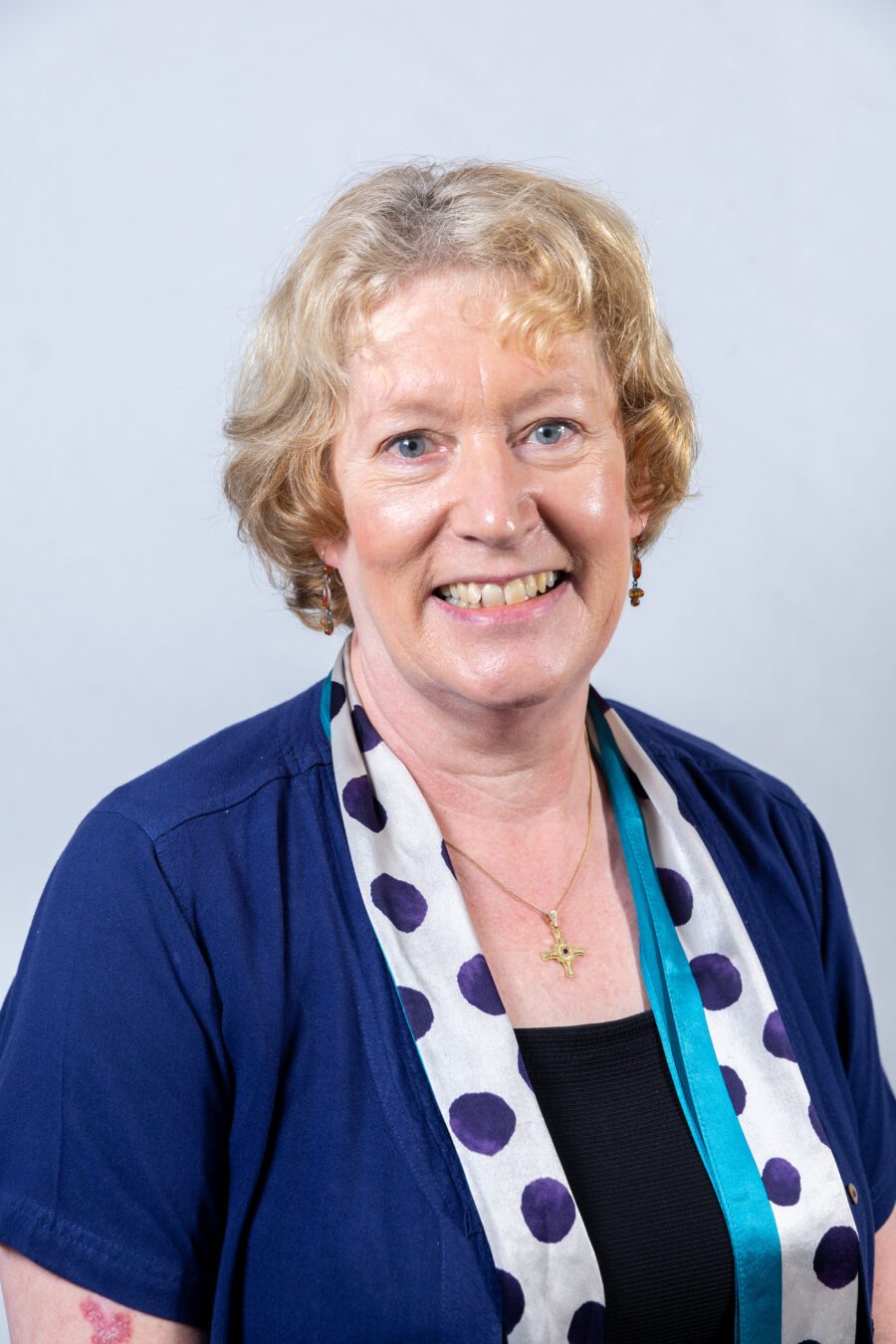
Catherine Dyer
Chair
Community Justice Scotland Board
Key Findings
- CPO delivery in 2024/25 remains robust and of benefit to communities, with clear evidence of responsive, trauma informed practice and innovation. JSW and third sector capacity, access and coordination challenges, especially in mental health, addiction, housing and programme delivery, continue to limit the ability to fully address outcomes and require local and national action. This may be via the transformational change programme under the Scottish Government Vision for Justice and/or via Social Work Scotland and Social Work Standing Committee
- Interventions as part of a CPO align to the risk and needs of individuals as a result of the effective application of risk assessment practices and a flexible approach to risk mitigation for the safety of both those on CPOs, the victims of crime and the wider community
- The complexity of needs across individuals on CPOs and their experience of trauma and neurodiversity pose challenges to effective engagement. JSW have increased applied trauma informed and person centered approaches, however improved access to training and skills development in neurodiversity would further reduce engagement barriers, as would capturing more information demonstrating the transition from trauma informed, to trauma responsive
- Unpaid work delivers tangible benefits to individuals and communities. JSW continue to engage with the community and those on unpaid work to identify new and relevant opportunities. More can be done to broaden the range of work opportunities available locally through increased public understanding and communication of its benefits
- There is clear evidence of improvement in the delivery of CPOs across Scotland. This is achieved through trialling and embedding local solutions. Opportunities for JSW include ‘scaling up’ the co-design of services with people with justice experience, investment in training needs and the adoption of digital solutions to improve monitoring and efficiency
Introduction
Background
In April 2017 section 227ZM of the Criminal Procedure (Scotland) Act 1995 was amended to introduce new reporting requirements which were aligned to the Community Justice (Scotland) Act 2016. Under the amended legislation, CJS must compile a summary report on national CPO delivery. To do this, CJS use information provided by local partners within each local authority area. The report is laid in parliament and covers the period 1 April 2024 to 31 March 2025.
Previous CPO reports can be accessed on the CJS Website
Purpose
This report provides an opportunity for Justice Social Work Services (JSW), CJS and Scottish Government to identify positive practice and interventions completed as part of a CPO in Scotland. It demonstrates how a CPO can effectively hold individuals accountable for their offending, addressing the root causes of offending behaviour and the likelihood of further offending. The report also highlights opportunities and challenges identified in the delivery of CPO which allows relevant stakeholders to act, enhance and improve delivery for those who experience CPO’s, their communities and the staff so critical to their success.
Methods
Working together Social Work Scotland (SWS), JSW, CJS and Scottish Government developed a template of key CPO related questions for each Local Authority area in Scotland. This summary report reflects the second analysis of data received using this format and the template is provided as the Appendix to this report
Throughout the year CJS engage with local and national partners across a range of topics and using several platforms. These include training and development, communications and community justice improvement to progress shared outcomes within the National Strategy for Community Justice. Information and intelligence collated throughout these engagements further supports trends, opportunities and challenges identified within this report. Also included throughout are quotes from those who have delivered and benefited from CPO requirements and ‘spotlighted’ practice examples from local partner reports.
In addition to these methods, CJS have included key statistical data on CPO’s provided to the Scottish Government for the 2024-25 reporting year within section 4 of this report (‘community payback order statistics’. The full report on the statistics can be accessed on the Scottish Government website justice social work statistics page.
Community Payback Order Statistics
- Around 12.5 million hours of unpaid work or other activity have been carried out as part of successful unpaid work requirements since CPO’s were introduced
- 16,477 CPO’s were issued in 2024-25. This was nationally 9% higher than in 2023-24. 26 out of 32 local authorities experienced an increase in CPOs from the previous year
- 69% of CPO’s were issued with an unpaid work requirement in 2024-25. Slightly less (67%) were issued with a supervision requirement
- The prevalence of supervision, conduct and programme requirements has increased over the last ten years. Unpaid work has reduced from 78% to 69%, over the same time period
- The average number of requirements has also risen to 1.66 in 2024-25, the highest of the last 10 years
- The average number of hours given as part of a CPO rose from 121 in 2015-16 to 137 hours in 2024-25
- It took, on average, just under nine months to successfully complete an unpaid work requirement in 2024-25
- Of the CPOs imposed in 2024-25, 20% of all orders completed within the year
- 69% of unpaid work placements commenced within seven working days of the order being granted
What Is A Community Payback Order?
A CPO is a court-issued sentence made up of various requirements placed on an individual, with which they are expected to comply. Evidence indicates that community interventions, including a CPO, can be more effective at reducing further offending than short-term prison sentences and may provide a greater opportunity for rehabilitation. . Offering effective interventions to address issues like homelessness, substance misuse, mental ill health and employability in the community has a greater, more sustainable impact, leading to safer, more resilient communities.
The judiciary have access to ten requirements as part of a CPO and may form the sentence given by imposing one or more of these requirements concurrently. The most common requirement to be used in conjunction with another is the supervision requirement. For example, a CPO consisting of unpaid work and supervision.
- Compensation requirement
- Supervision requirement
- Unpaid work or other activity requirement
- Programme requirement
- Residence requirement
- Mental health treatment requirement
- Drug treatment requirement
- Alcohol treatment requirement
- Conduct requirement
- Restricted movement requirement
CPO’s can cover a period of between six months to three years, with the exception of a CPO consisting of a standalone Level 1 unpaid work requirement, which must be completed within three months, unless a longer period is specified by the court when imposing sentence.
Risk, Needs and Responsivity
Reducing the Risk of Reoffending
To ensure an accurate assessment of an individual’s risk of further offending, JSW apply appropriate risk assessment tools at the earliest opportunities. The findings of these risk assessments inform an individual case management plan that reduces any identified risk through addressing needs and behaviours.
In Scotland, the primary tool for assessing the risk of general offending and to guide case management planning for all individuals aged over 16 years is the Level of Service/Case Management Inventory (LS/CMI). LS/CMI offers a shared and meaningful understanding of the risk of further offending and consistency in applying interventions to maintain or reduce this. This is presented across pattern, nature, seriousness and likelihood.
In the event of specific offence types, further risk assessment tools may also be used. For example, the Spousal Assault Risk Assessment (SARA V3) when evaluating the risk of intimate partner violence posed.
The tiered assessment approach taken by LS/CMI has a range of benefits.
- A structured foundation on which to assess and recommend a CPO to the judiciary as an appropriate and safe sentencing option
- The appropriate alignment of interventions with an individual’s level of risk and rehabilitative needs
- Giving confidence to the judiciary that the approach taken will have the best chance of reducing further offending and address ongoing crisis
To reduce the risk of reoffending JSW commonly focus on structured supervision and offence focused work. This includes one-to-one or group sessions on emotional regulation, consequential thinking, problem solving, victim awareness and pro-social decision-making. Examples of programmes used for this purpose are the Caledonian Programme (domestic abuse) and Moving Forward 2 Change (MFC2) (sexual offending). In addition to addressing the underlying needs which cause further offending, local areas state the importance of adopting trauma-informed practices, building relationships with those on CPO’s and the provision of purposeful activity. This builds flexible, person-centred approaches tailored to responsivity and readiness to change while giving structure and routine that gives the best chance of community reintegration. This is best achieved in a multiagency context, working with addiction services, mental health support services, housing, employability and the third sector.
In Glasgow, the Alcohol Court combined judicial monitoring with addiction treatment and Cognitive Behavioural Therapy (CBT) work. This supported a service user to reduce their alcohol consumption, improve their mental health and access housing and employability support. In North Ayrshire, the Drug Treatment and Testing Order (DTTO) provides intense recovery support from lived experience mentors. An individual here was able to engage in detox while also accessing college courses and sustaining their recovery.
The Identification of Needs
‘When I was convicted, I lost everything — my job, my relationship and even my home. I thought I’d lost it all for good; but with my Employability Mentor’s help, I regained my confidence, regained my qualifications, and got the job I wanted.’ (North Ayrshire)
As part of the risk assessment process, JSW will identify unmet needs across individuals, which often contribute to their offending behaviour. These needs can often be multiple, complex and overlapping, requiring multiagency support to address and onward referrals to support organisations beyond the completion of the CPO. JSW co-develop the case management plan with the individual to agree interventions, treatment and support aimed at addressing these unmet needs.
The most common needs identified by JSW experienced by those on CPO’s were substance misuse, mental health and trauma, housing instability, employability and education, and social isolation and relationships. Without addressing these needs and creating stability, safety and routine, addressing offending becomes challenging.
The table below provides multiagency support provided to address these needs and the ways in which this was used locally.
| Need | Support Services | Methods |
|---|---|---|
| Substance Misuse | Alcohol and Drug Recovery Service Turning Point Scotland Venture Trust Local Recovery Cafes and Peer Support | Detox programmes Harm reduction Relapse prevention Motivational interviewing Structured recovery pathways |
| Mental Health and Trauma | Community Mental Health Teams Forensic Mental Health Teams Psychological Therapy Services Third Sector Trauma Services (Wellbeing Scotland, Penumbra etc) | CBT-based programmes Trauma-informed practice Psychiatric referrals Medication Counselling |
| Housing Instability | Housing Support Services Housing First Projects Local Authority Housing Teams | Securing stable tenancies Advocacy for repairs Relocation for safety |
| Employability and Education | Employability Agencies (Wise Group, Access To Industry, Skills Development Scotland) Supported Employment Services | CV workshops Skills training (CSCS Cards) Volunteering Job placements |
| Social Isolation and Relationships | Women’s Justice Services Domestic Abuse Programmes (Caledonian, UP2U) Peer Mentoring Services | Groupwork Parenting programmes Relationship skills Peer support |
In West Lothian Wellbeing Scotland provide trauma counselling with the Alcohol and Drug Partnership to support addiction recovery. Employability workshops and Wise Group modules help people to build skills and confidence. In Fife, through engagement with The Women’s Justice Team, a woman was able to receive a forensic mental health assessment, receive medication and experience trauma-informed supervision. Engagement with community support groups in addition to this improved stability and ultimately led to desistance from further offending. Addressing the needs of those who offend is not without challenges across local areas.
- Long wait times for specialist services: particularly for mental health and substance misuse treatment. Missed appointments can often lead to removal from waiting lists
- Geographical barriers: rural and island communities struggle with limited local services and groupwork options. There is a reliance on one-to-one options and online supports
- Service capacity and funding constraints: limited availability of accredited programmes (Caledonian, MF2C). Reduced access to residential rehabilitation
- Engagement barriers: individuals with trauma, neurodiversity, or chaotic lifestyles often find mainstream services overwhelming. There is then a need for adapted communication and flexible styles
- Housing and welfare system delays: difficulties securing accommodation or repairs. Bureaucratic processes can slow down interventions
In Aberdeenshire, a Higher Needs Support Team was created to offer one-to-one places in safe environments for people who struggled to attend and maintain mainstream unpaid work. In Orkney, challenges in accessing groupwork support resulted in the delivery of one-to-one offence focused work and online initiatives like Graces Chocolates, an organisation supporting women who have touched the justice system and their employment and skills development.
Responsivity Measures
‘A hugely positive experience, helping me to better understand myself in general, more specifically the cause and effect that unhelpful thinking styles had on my emotions/feelings, and ultimately actions, in the lead up to my offending… Thanks for helping me to feel human again.’ (Fife)
Responsivity measures incorporated into a CPO ensure that interventions are tailored to an individual’s strengths and needs to support maximum engagement with the intervention.
Trauma informed practice, flexible delivery, adapted communication (visual tools, breaking down information into steps), person-centred and strengths-based approaches (motivational interviews, co-designed case plans) and practical adjustments (safe scheduling of appointments, the provision of transport) are the most common responsivity measures applied by JSW locally.
In South Lanarkshire, for a man with a learning disability and suspected Autism, JSW introduced ‘Talking Mats’ and role play to simplify communication and improve engagement with the MFMC programme. In North Lanarkshire, the Women’s Community Justice Service use breathing techniques, meditation and thought diaries to help women manage emotional triggers, alongside advocacy for housing and debt support.
Community Payback Order: Requirements
Unpaid Work
“My CPO has been very positive. I don’t see it as a negative, as it’s helped me hold myself accountable and support me through my journey to sobriety and my goals.”(South Lanarkshire)
Unpaid work is the most issued requirement across all CPO’s provided in Scotland. Work for completion is identified by local services and communities and therefore carried out within areas which have often experienced harm and its often enduring impact.
Angus: Westmuir Community Woodland
Ongoing maintenance and grounds keeping were completed at Westmuir Woods during 2025. This included clearing paths, managing undergrowth and ensuring safe access for the public. The project was part of a broader unpaid work programme which also refurbishes benches, graffiti removal and flood prevention measures across Angus.
The project contributed to community environmental enhancement, making the space safer and more accessible to residents. It demonstrates collaboration between justice partners and local community groups, showcasing how unpaid work can deliver meaningful benefits. Westmuir Community Woodland was awarded ‘Best Small Wood’ in 2025 as part of Scotland’s Finest Woods Awards, as a direct result of these improvements.
The table below provides an overview of the types of unpaid work completed in 2024/25, how this was completed, skills developed and specific local activity.
| Work Completed | Approach and Skills | Local Examples |
|---|---|---|
| Environmental Maintenance | Squad-based work in partnership with local councils and community groups to develop teamwork, landscaping and time management | Aberdeen: local park maintenance Clackmannanshire: clearing waterways, repairing bridges Outer Hebrides: Beach clearing, dry stone walling and path building |
| Painting and Decorating | Structured projects with safety briefings developing skills in painting, structure preparation, health and safety compliance | Highland: full redecoration of Staxigoe village hall Moray: Elgin library refurbishment Orkney: paint community centres and benches |
| Woodwork and Upcycling | Workshop based tasks developing skills in joinery, tool handling and creative design | Renfrewshire: ‘mud kitchens’ for nursery schools and dementia blankets for care settings Scottish Borders: picnic benches, raised beds and benches Inverclyde: Project for 16-25 year olds constructing a ‘Santa Mail Box’ for local children to post letters |
| Community Support Services | Individual placements coordinated with charities and social work developing skills in communication, customer service and logistics | Aberdeen: assisted shopping for the elderly, charity shop placements East Lothian: foodbank deliveries and furniture moves Falkirk: house clearances for vulnerable tenancies |
| Special Projects | Collaborative initiatives with charities and environmental groups developing skills in project planning, sustainability and technical repair | South Lanarkshire: over 300 trees planted for Clyde Climate Forest West Lothian: bicycle recycling project donating refurbished bikes to families |
| Seasonal and Emergency Work | Rapid response squads in partnership with emergency services developing skills in problem solving, adaptability and resilience | Angus: installation of flood pods after storms East Ayrshire: winter gritting and storm snow clearance Clackmannanshire: clearing fallen trees after large storms |
‘The service that this team provides is invaluable and it would be incredibly difficult to support our young people without them.’ (Moray)
In their progression of unpaid work for communities in local areas, JSW highlight a number of challenges they face. Many have taken steps to overcome these, but some continue to require additional resource and operational support.
- Capacity and staffing: demand for weekend placements are high and this can exceed capacity, resulting in individuals being turned away
- Geography and accessibility: large, rural areas require significant travel and coordination in the completion of projects identified. Rural areas can also experience a limited amount of project opportunities
- The complex needs of those on CPO: there is a high prevalence of trauma and addiction across those receiving unpaid work resulting in the need for gender-specific projects and wellbeing-focused programmes in safe environments
- Weather and seasonal pressures: outdoor projects can be delayed by adverse weather and storm recovery or gritting work requires prioritized and is a resource-heavy task
- Stigma: there is a need for more positive community engagement to reduce stigma and promote the positive visibility of unpaid work
‘The supervisors and the entire work squad have been consistently polite, respectful, and hardworking throughout the project. It’s been a very positive experience working with everyone involved. We were so happy when we were referred for this project in late 2024. Before this project, we had little understanding of how individuals given a court order and assigned to Unpaid Work were involved in community projects. This experience has given us valuable insight into the positive impact this scheme can have — both for the individuals taking part and the local community. Thank you again for your very welcome support for our community church.’ (Inverclyde)
South Ayrshire: Kyle Chemotherapy Unit Garden Transformation
NHS Ayrshire and Arran Health Improvement approached the Unpaid Work team to transform a dull, waterlogged outdoor area at the Kyle Chemotherapy Unit into a calm, therapeutic garden for patients and families.
- The team removed several tonnes of turf and soil by hand
- Shaped, dug and planted borders, fitted steel sheet edging and constructed gabion retaining walls
- Planted around 40 trees and hundreds of plants
The design incorporated natural materials and artistic features, creating a visually appealing therapeutic space for patients and their supporters when completing treatment. The garden was formally opened by NHS executives with those who completed the unpaid work present and receiving positive feedback.
Other activity
‘My poetry will be shared on a YouTube channel and maybe others will be able to relate’ (Aberdeen)
As an additional component to a CPO and accounting for up to 40 hours, ‘other activity’ is routinely used by JSW services in Scotland to further develop skills necessary in securing employment and addressing other, additional needs faced by people on CPO’s.
JSW report the achievement of a vast range of skills as a result of ‘other activity’ opportunities and initiatives. These include digital literacy, job readiness, coping strategies, healthy lifestyles, emotional regulation, confidence building and problem solving. Activity demonstrates a real and growing confidence across areas to push the boundaries of unpaid work and other activities to meaningfully move people away from possible further offending.
The table below provides an overview of the types of ‘other activity’ completed across Scotland, how this is achieved and local examples.
| Activity | Approach | Local Examples |
|---|---|---|
| Employability and Work Related Skills | Accredited courses (CSCS card, forklift, telehandler, MEWP, first aid) Digital skills training and CV/interview preparation Practical work placement and mentoring | Fife: food hygiene certification, DVLA courses, trauma-informed employability support North Ayrshire: Employability mentors supporting CV building and interview skills |
| Health and Wellbeing Skills | Recovery programmes, mental health sessions, physical activity initiatives Structured groupwork and therapeutic interventions | West Dunbartonshire: gym-based wellness sessions to reduce stigma and promote recovery South Lanarkshire: Positive futures programme including cooking, walking and cycling |
| Personal Development and Therapeutic Skills | Blended learning packs, trauma-informed groupwork, mindfulness training Creative projects and reflex exercises | Angus: Mental Health and Wellbeing Service, Positive Relationships Group North Lanarkshire: Ten for Zen mindfulness sessions, CBT counselling |
| Volunteering and Social Skills | Placements in charity shops, recovery cafes and community projects Engagement in community activities and events | Scottish Borders: Women’s Hub session including craft making and cooking East Dunbartonshire: recovery café volunteering, Baptist Church coffee mornings |
West Lothian: Bike Recycling and Community Donation Project
The Community Payback Bicycle Project as part of unpaid work refurbishes donated and discarded bikes to provide affordable, sustainable transport for those in need.
- Dismantle and repair bikes to Velotech standards
- Recycle scrap metal from unusable parts, generating funds for community donations (cinema tickets for young carers, contributions to charities)
- Bikes are donated to families, children and people facing financial hardships. These are provided with a helmet, lights and locks
This project transforms waste into a valuable, community resource while linking to environmental sustainability and social justice. The project won a Koestler Award for creativity in justice settings.
Supervision Requirement
Supervision requirements are used to provide structured support, address offending behaviour and link individuals to community services alongside any further requirements, most commonly unpaid work. These typically involve 1:1 sessions with JSW and access to rehabilitative programmes including MF2C and CBT groupwork.
During the reporting period supervision was stated to support behavioral change and reduce offending. In East Dunbartonshire, 100% of respondents felt their attitude and behaviour to offending had changed. Similarly, this can improve wellbeing and life skills, with support described as ‘life changing (South Lanarkshire), ‘confidence returning’ and resulting in ‘better coping strategies’ (Highland).
‘I was treated with dignity and helped to enjoy living an offence-free life’ (Glasgow)
People receiving supervision valued a strong relationship with their social worker, including non-judgmental attitudes and respectful support. An importance was also placed on the ability to access other, third sector support services as part of this, and both aspects were widely demonstrated across Scotland throughout the reporting period. In Orkney, supervision was combined with creative activities, including laser-engraved maps, to build skills and confidence. In Argyll and Bute, supervision was described as ‘life saving’, helping to reduce anxiety and improve relationships.
In addition to unpaid work and supervision, a CPO may also include a number of other requirements which are currently used to a variable extent across Scotland.
- Compensation requirement
- Programme requirement
- Residence Requirement
- Restricted movement requirement
- Conduct requirement
- Alcohol treatment requirement
- Drug treatment requirement
- Mental health treatment requirement
Compensation Requirements are intended to provide reparation to victims who have experienced harm which is often financial or resulted in damage. Commonly these have been imposed by Courts alongside a supervision or unpaid work requirement, which can help achieve greater compliance. When successful, these support victim recovery and reinforce offender accountability.
A number of local authority areas stated that increasing financial hardship experienced across Scotland mean individuals can struggle to make payments. Delays in receiving details of these from courts and payment receipts can also make monitoring this requirement difficult. When these are imposed in domestic abuse cases, it was reported that compensation orders can cause resentment and lead to further challenges, for example withholding child benefit to make payments.
During the period North Lanarkshire have worked with their Tackling Poverty Team across 48 compensation orders to maximise income and support compliance, reducing the risk of breach and improving victim outcomes.
Programme Requirement
Programme Requirements are one of the most commonly used during the period after unpaid work and supervision. These are primarily used for structured, accredited interventions targeting domestic abuse and sexual offending and delivered by JSW as group work or 1:1 and 1:2 for those with responsivity issues such as trauma and learning needs. These enhance victim safety through integrated approaches, for example the Caledonian Programme includes women and children’s services alongside the men’s service.
To achieve successful delivery Local Authority areas cite the importance of readiness and suitability assessments pre-referral to programmes, as well as the co-delivery of groups regionally and in the evenings to accommodate rural settings and those with caring and child care responsibilities. In some areas the demand for programmes like MF2C and Caledonian outstrips capacity which results in work pressures and waiting lists. This requires specialist training and scheduling.
Residence Requirement
Across Scotland the use of residence requirements is sparing, relative to other requirements and on a case-by case basis to ensure proportionality. Benefits to the requirement include stabilizing accommodation where risk is attached to potential homelessness, public protection and oversight and to facilitate treatment pathways in the community.
South Ayrshire provide that a residence requirement tied to a rehabilitation placement was provided during the period. JSW worked with the Scottish Prison Service and health colleagues to support immediate transfer, reduce the risk of relapse and sustain positive progress.
Restricted Movement Requirement
Restricted Movement Requirements are frequently combined with unpaid work and supervision requirements and deliver a community-based alternative to imprisonment using electronic monitoring or ‘tagging’ technology to impose curfews, alongside needs-based support.
Local areas evidence a need for good communication and engagement between JSW, the Judiciary and G4S as the monitoring body. This is to ensure a restricted movement requirement is only applied to those where this is assessed as suitable and proportionate. Four local areas contrasted restricted movement requirements with Restriction of Liberty Orders (RLO). Some courts preferred RLO use over restriction of movement and this influenced figures. This is due to differences in breach implications and information sharing between the two types.
East Lothian evidence that a restricted movement requirement placed a curfew on an individual of between 1800 to 0600 nightly, which led to them losing their employment. The curfew then had to be varied to support ‘other activity’. This highlights the real life impacts such restrictions can have without full assessment and communications between the individual and justice partners.
Conduct Requirement
Conduct Requirements are the most frequently used requirement in many areas after unpaid work and supervision. They are used to order an individual to do or not do specific things, to ensure good behaviour and reduce the likelihood of further offending. Often used alongside supervision, examples include prohibiting individuals from attending certain places, mandating them to attend treatment and adhering to specific lifestyle changes.
Four areas highlighted that Courts may decline the use of conduct requirements, despite risk-management rationale, or omit them at the point of sentence. This can create tensions and make casework challenging. The wording and proportionality of these orders were also described as sometimes ‘variable’ and having a direct impact to their enforceability and transparency. These need to be clear, use consistent language and avoid duplicative or overly punitive conditions.
In Glasgow a conduct requirement to disclose any current or future intimate relationships in a domestic abuse case was pivotal to enabling multiagency risk management alongside programme work and women and children’s services. The order completed without any known further offending.
Alcohol Treatment Requirement
Alcohol Treatment requirements were stated to be widely underused across Scotland. Two areas stated that while underused, this type of work would often be completed under a conduct requirement or as part of broader case management, linking individuals to health services, third sector support and recovery hubs.
Alcohol requirements can be imposed when alcohol plays a clear role in an individual’s offending. They involve structured engagement with local addiction services, detox programmes and relapse recovery. In some cases, it was reported that Courts impose alcohol requirements without full clinical assessments and health services may then resist compulsory treatment. Additionally, individuals who are not ready for recovery risk breach despite progress in others areas, like unpaid work or supervision. Practitioner discretion is required in these circumstances.
JSW collaborate with Moray Integrated Drug and Alcohol Service (MIDAS) for prescribing and arranging in-patient detox, which mirrors practices in a number of other areas. In Dundee this approach is coupled with the use of digital tools like the Recovery Road Map app to further support recovery.
Drug Treatment Requirement
Across Scotland, Drug Treatment Requirements (DTR’s) are not routinely used. This is because they are often replaced by conduct requirements that require direct engagement with substance use services, superseded by Drug Treatment and Testing Orders (DTTO’s) where drug use is more entrenched, or considered only when an individual meets the statutory definition of, ‘dependent’.
Despite limited use currently, several areas did discuss plans to utilise these more, as an alternative to DTTO’s. This is largely as a result of high breach rates linked to DTTO, poorer outcomes and the increasing unreliability of drug testing options due to new and emerging trends in drug use (Nitizenes, synthetic drugs).
North Ayrshire provide that an individual on a DTR is linked to addiction workers and has the opportunity to move to residential rehab within 6 months, where this is deemed necessary and appropriate. This has demonstrated significant progress and improved wellbeing. In Perth and Kinross, workers were trained in Dry Blood Spotting to support monitoring. Regular testing, coupled with motivational interventions and access to welfare and/or housing support has proved effective in reducing further offending and ongoing drug use here.
Mental Health Treatment Requirement
Mental Health Treatment Requirements are a rare and complex requirement due to their strict criteria, sometimes requiring the individuals’ consent and clinical recommendation. As an alternative to this requirement areas stated that conduct requirements or supervision plans are used to encourage voluntary engagement with mental health services as a more flexible option.
Where these have been imposed, mental health requirements often involve joint working between JSW, local mental health teams and a care programme approach. This helps to reinforce treatment plans during supervision. Challenges to the delivery of these requirements are delays in psychiatric assessments, GP referral requirements and an over-stretched mental health provision nationally.
Perth and Kinross report that an individual given a mental health requirement during the period was not offered appointments due to high demand and suffered from GP and relocation barriers. Treatment gaps as a result of this could have been prevented by a standardized referral protocol and clear liaison roles for services and the individual.
Local Area Improvement
JSW across all local authority areas of Scotland have developed innovative and necessary improvements to the delivery of CPO’s to the benefit of staff and those who experience the service. The table below provides a summary of these, the nature of improvement and local area examples.
| Improvement | Approach | Local Examples |
|---|---|---|
| Workforce development and capacity building | Stabilising staffing, improving recruitment and retention of staff, enhancing staff skills, ‘future proofing’ the workforce | Renfrewshire: introduction of Senior Practitioner roles and Team Manager uplifts Highland: Launch of the Social Work Traineeship in Inverness to improve recruitment and build specialisms Inverclyde: ‘Grow Your Own’ scheme supporting paraprofessionals to quality as social workers |
| Trauma-Informed and responsive practice | Staff training, the development of strategies and plans, redesigning work spaces, multiagency management groups and improvements in compliance, outcomes and engagement | Scottish Borders: refurbishment of the women’s hub using trauma-informed principles South Lanarkshire: roll out of Decider Skills training, focus on emotional regulation and resilience West Lothian: Level 1 trauma training completed for all staff, level 2 scheduled for 2025/26 |
| Improved Unpaid Work Delivery | Innovations to make work more meaningful, responsive to need and accessible for everyone | Moray: continued polytunnel horticulture project producing 112 veg boxes for community groups Perth and Kinross: ‘unpaid production projects’ for those unsuitable for traditional unpaid work (sewing reusable wraps, timber assembly) |
| Enhanced Employability and Skills Development | Stronger emphasis on linking those on CPO’s to employment and training opportunities | Aberdeen: recommissioned employability service with Aberdeen Foyer, 45 qualifications gained and 12 individuals in employment Falkirk: Co-funded employability pipeline with Cyrenians offering training opportunities West Dunbartonshire: embedded employability workers in justice offices, partnerships with G4S and Network Rail |
| Expanded Mental Health and Substance Use Support | Expansion of services through co-location and increased partnership working | Dumfries and Galloway: commissioned Change Mental Health to support those struggling with CPO engagement Midlothian: Embedded a Band 6 nurse to provide medical and psychosocial interventions for justice-involved individuals |
| Enhanced Gender Specific and Domestic Abuse Interventions | Enhanced services for women and the perpetrators of domestic abuse | Glasgow: Expanded women’s only team and delivered the Caledonian Programme for high-risk cases Angus: Continued the Glen Isla trauma-informed project for women, improving completion rates South Lanarkshire: Piloted Advanced D domestic abuse programme delivered online/hybrid to overcome rural barriers |
| Digital and Data Innovations | Improved systems for performance monitoring and service delivery | Argyll and Bute: introduced a real-time performance monitoring dashboard to track trends and workloads North Lanarkshire: Implemented MS Forms for service user feedback |
| Greater Involvement of Lived Experience Voices | Improved engagement with those who have experience of the justice system to design services and plan approaches | North Ayrshire: continued the ‘Making A Difference’ (MAD) project, championing engagement and co-production Dumfries and Galloway: Collaborated with Apex and Summerhill Project to embed lived experience in service delivery |
Fife: Women’s Justice Team – Trauma-Informed Care Audit
The Women’s Justice Team undertook a trauma-informed care audit to assess how well their service aligned with trauma-informed principles. This considered the physical environment, staff practice and responsivity measures for women with complex needs (mental health, substance misuse, neurodiversity). Findings from the audit increased the use of 1:1 or 2:1 service delivery, adjustments to unpaid work placements and enhanced staff training and supervision.
The audit was highlighted as an example of good practice by the National Trauma Transformation Programme and has received national recognition as a model for other local authorities, influencing wider practice.
Opportunities and Challenges
Opportunities
Opportunities highlighted by JSW in local areas are largely reflected in innovative examples of work ongoing across CPO requirements and capitalizing on improvements already being made. These include: giving people who experience justice the chance to co-design and deliver activities; increased partnership working to address needs such as employment, mental health and substance misuse; improved training and resources that enhance access for those who have experienced trauma, complex needs and neurodiversity; and the development of virtual, data and IT solutions that will improve performance monitoring, increase levels of engagement and reduce the administrative burden.
Digital Platform For Unpaid Work Squad Management
Glasgow, South Lanarkshire and West Lothian have collaborated with the Improvement Service on the development of a digital platform for the management of unpaid work squads. This responds to challenges in scheduling and tracking activities, managing attendance and compliance and improving efficiency and consistency across areas.
The key features of the tool are that it allows supervisors to update on attendance and progress instantly, it provides visibility on squad capacity and availability across multiple locations, it monitors performance and it links to existing case management systems for seamless updates.
The collaboration is in the development and testing phase, with a number of local authorities registering an interest in acting as pilot sites. The aim is to scale this solution once proven effective.
Challenges
In addition to challenges already highlighted to supporting individuals with their needs alongside the delivery of a CPO, the following table provides an overview of the most consistent challenges identified by JSW across local areas over the period, the nature of these challenges and local examples of how a solution-focused approach has been taken to addressing these wherever possible.
| Challenge | Experience | Local Examples |
|---|---|---|
| Staffing and Recruitment | Shortages of qualified social workers and unpaid work supervisors, difficulties in rural and island recruitment, temporary posts less attractive, national training oversubscribed and limited | Argyll and Bute: Low capacity in specific areas and 4-6 hours travel across the area to support individuals. Team Managers available to cover caseloads in the interim Inverclyde and Highland: local recruitment drives and traineeships to support recruitment and specialisms |
| Funding Uncertainty and Constraints | Short-term funding allocations inhibit long-term planning, pressure on programme funding and service redesign | Fife: converting temporary funding steams to permanent and securing 20 permanent posts to provide stability across the workforce Clackmannanshire: Reduction in Caledonian Programme funding to 68% of original allocation means securing alternative provisions |
| Housing and Accommodation | Homelessness and housing emergencies reducing stability, complicating supervision and compliance. Social media fueled ‘vigilante’ activity disrupting support | Dumfries and Galloway and North Ayrshire: use of the Housing First model to reduce ‘revolving door’ homelessness East Lothian: partnership approach to rehousing individuals targeted by protest groups at their original address |
| Mental Health and Substance Misuse | Increasing experience of trauma across those on CPO, co-occurring drug and alcohol needs, long wait times for mental health services, forensic gaps in some areas. | Moray: development of the Crossreach Counselling Pilot to support direct access South Ayrshire: RISE pathway and forensic mental health forum access. Recommission of person-centred counselling, provided by Spark Highland: SMART recovery group commenced in Wick |
| Unpaid Work Delivery | Increasing hours, fewer individual placements available, need for indoor and specific tasks, including women-only groups. Transport barriers | Aberdeen: new workshop spaces due to premises move and a ‘women’s only Wednesday’ focused on seated crafts Inverclyde: Food growing projects which pilot unpaid work squads to support hospital discharge readiness North Lanarkshire: 5280 hours completed with the Viewpark Garden Trust, transforming the site |
Appendix: Annual Returns Template
COMMUNITY
PAYBACK ORDER (CPO)
ANNUAL RETURNS TEMPLATE
FINANCIAL YEAR:
LOCAL AUTHORITY:
TEMPLATE RETURN DATE:
Please return all completed templates to
CJS at CJSImprovement@communityjustice.scot and copy
the Scottish Government at cpo@gov.scot
Background
Under the Community Justice (Scotland) Act (2016), local authorities have a statutory duty to report on the operations of Community Payback Orders (CPO) within their area on an annual basis to Community Justice Scotland (CJS). CJS will then collate these returns and summarise them in a report which is laid before Scottish Parliament.
To assist with this reporting duty, CJS, in collaboration with representatives from Justice Social Work, the Scottish Government, and Social Work Scotland, has developed a template of questions for local areas to complete. This template is designed to support the reporting requirement.
Completing the template
Please answer the following questions contained in this year’s CPO template. When answering the questions, please ensure that all case studies and feedback are anonymised. We understand that maintaining anonymity may be more challenging for some local authorities. If this applies to your area, you may provide a more general response to the questions.
Please ensure all answers are relevant to your local area within the 2023 to 2024 reporting year.
If you need any support in completing this template and or have any questions, please do not hesitate to get in contact with CJS. Contact details can be found on the title page of this form.
Thank you for taking the time to answer the questions in this template.
Questions to answer
- Reducing risk of reoffending
Please provide a case study or examples of your work with people subject to a Community Payback Order (CPO), focusing on how you work to address their offending behaviours and reduce the risk of reoffending.
- Support for underlying needs
Please provide a case study or examples of yourwork with people subject to a CPO, focussing on how you work to address their underlying needs (e.g., mental health, substance use).
- Unpaid work
Please describe a case study or provide examples of unpaid work activity.
- Other activity
Please describe the main types of “other activity” carried out as part of unpaid work or other activity requirement.
- Feedback
Please provide a summary of quotes or feedback on the impact of supervision requirements and or unpaid work or other activity requirements from the following perspectives:
- People subject to a supervision requirement
- People undertaking unpaid work or other activity requirement
- The community and beneficiaries of unpaid work
- Benefits and challenges of other CPO requirements
Please mark with a cross the requirements that were imposed by courts in 2023 to 2024.
☐Compensation requirement
☐Programme requirement
☐Residence requirement
☐Restricted movement requirement
☐Conduct requirement
☐Alcohol treatment requirement
☐Drug treatment requirement
☐Mental health treatment requirement
For each of the requirements that were imposed (up to a maximum of 300 words) please describe innovative and best practice, challenges, and impact associated with each.
- Organisational improvements and ongoing challenges
Looking back at last year (2022-2023), have there been any improvements to the challenges you noted? Are there any challenges you are still facing this year (2023-2024)?
- Collaborative working across justice partnerships
Please provide any examples of work with community justice partners, including the third sector, to effectively deliver CPOs.
- Additional information
Is there any other relevant information you wish to highlight? This may include:
- Areas for improvement and planned next steps.
- New ways of working and benefits achieved from these.