Serving the Community in North Lanarkshire
Unpaid work squads help North Lanarkshire school children enjoy learning about farming
Innovative unpaid work projects in North Lanarkshire are helping school children and other members of the community enjoy hands-on experience of farming life.
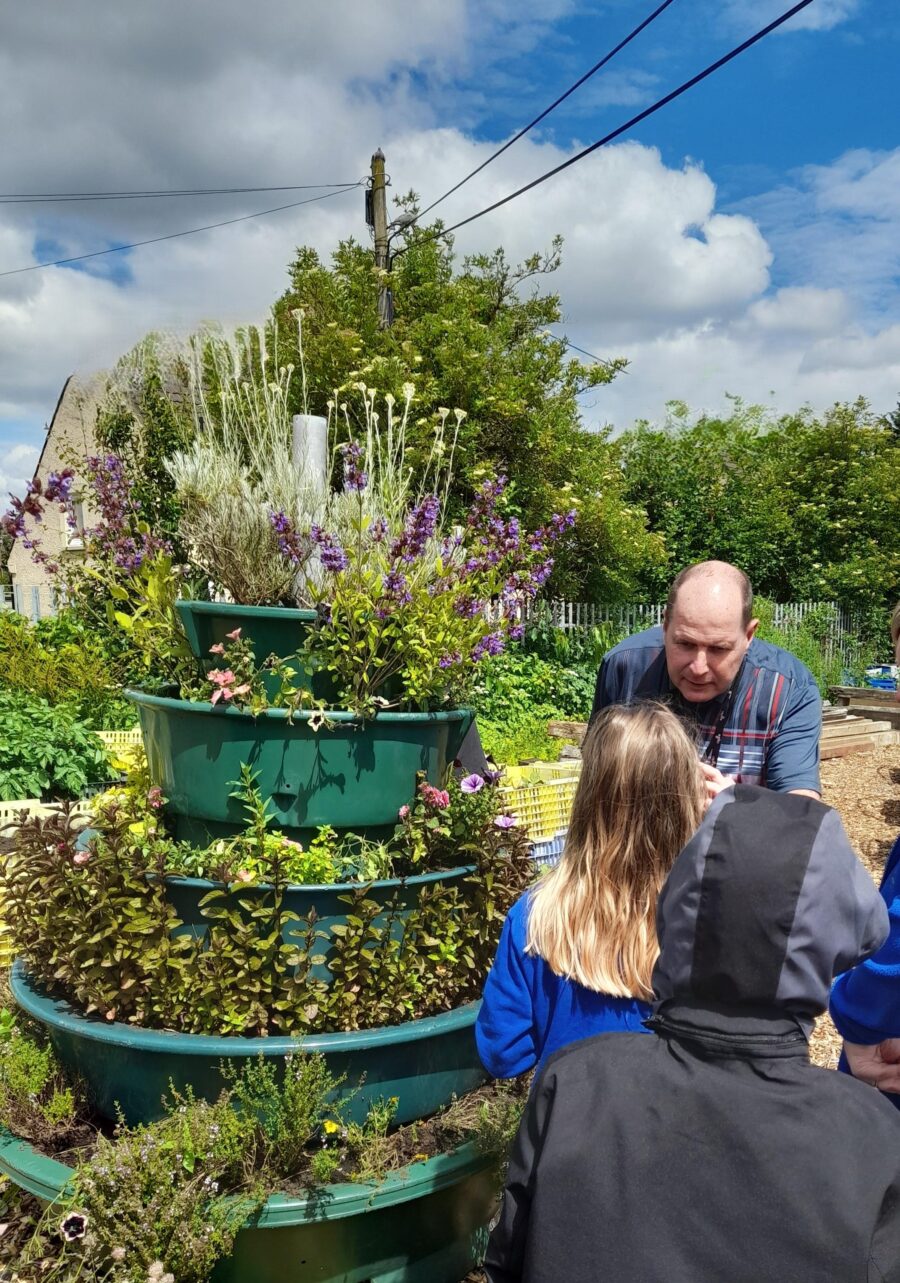
Children and young people from local schools have enjoyed visits to allotment sites that are supported by the efforts of squads of people sentenced by courts to undertake Community Payback Orders.
The initiative is facilitated by the Restorative Justice Team, who oversee the operational delivery of unpaid work to ensure communities benefit.
Recently, one group of pupils were invited back to the Clydeside Project to see the fruits of their own labours, using tote bags made by unpaid workers to harvest tomatoes, potatoes, garlic and green beans they had planted on an earlier visit. Another, Halloween-themed day saw the young visitors picking pumpkins, colouring in spooky canvases and making woollen ghosts.
The visits also enable the school children to meet a flock of 32 chickens sourced from the Wing and a Prayer charity, which rescues battery hens. The hens, nurtured back to full health by unpaid workers, now provide fresh eggs to the local community.
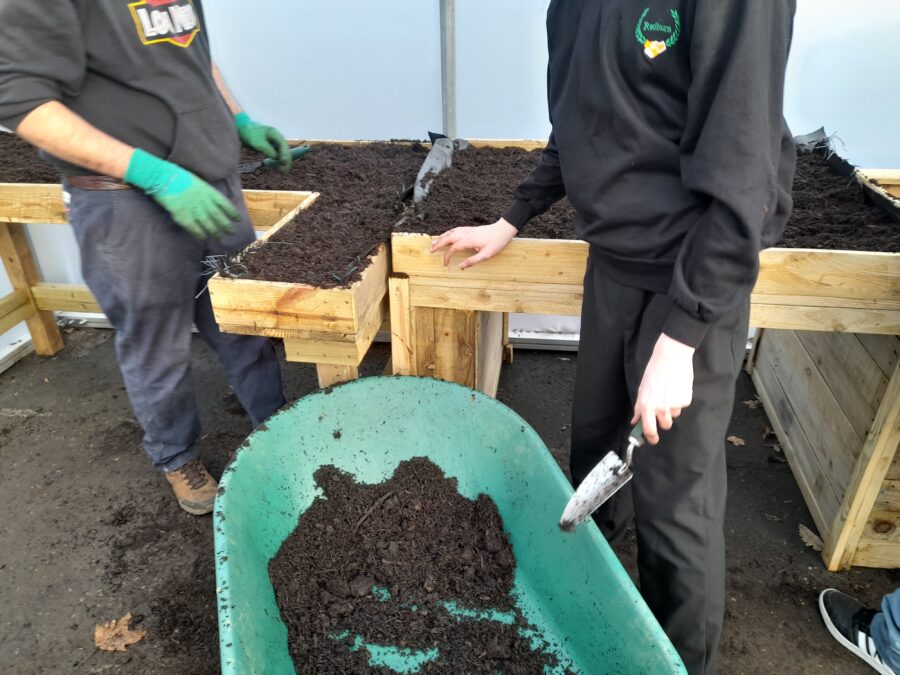
The work squads carry out a wide variety of tasks to support the Clydeside Project, including building and garden maintenance, care of livestock, fencing repairs, landscaping and planting. They also assist with the preparation for open days and educational visits.
Although the squad members are not present at the school events, they help to plan and prepare them, are briefed on how they went and come together to generate ideas for future community activities.
Siobhan Hughes, Senior Education and Families Manager of Justice Services in North Lanarkshire, said: “The Clydeside Project delivers clear community benefits. The unpaid work activities at this project allow individuals to give back to their communities while gaining new skills. Their efforts directly enhance educational visits and open days, creating rewarding experiences for everyone. After a year of fantastic events for local schools, we’re excited to plan even more events.
“This project is just one of the many unpaid work activities that take place within North Lanarkshire. The Restorative Justice Team, who are responsible for the facilitation of unpaid work, ensure that each project has reparation at its foundation to benefit our local communities.”
People sentenced by courts to undertake unpaid work as part of a Community Payback Order are given a specified number of hours to complete, which should have a focus on reparation and provide a clear tangible benefit to the community.
As part of the sentence, they may also be required to take responsibility for developing interpersonal, educational and vocational skills that help address the causes of their offending.
More than 11.6 million hours of unpaid work have been completed in Scotland through Community Payback Orders since their introduction in 2011, contributing significantly to communities throughout Scotland.
Management and supervision of people performing unpaid work is carried out by the justice social work departments of local authorities.
Gemma Fraser, Head of Insights and Intelligence at Community Justice Scotland (CJS), the public body responsible for promoting and supporting the use of community-based sentences, said: “Unpaid work as part of a Community Payback Order is a much more person-focused approach to give back to the community where offending has happened compared to other sentencing options.
“Most of the people will deliver the unpaid work in the community they live in, across a wide range of projects identified by the communities themselves.
“With more than 11.6 million hours of unpaid work carried out to date, these projects are of enormous value to communities, providing tangible local benefits as well as helping develop skills among those involved.”